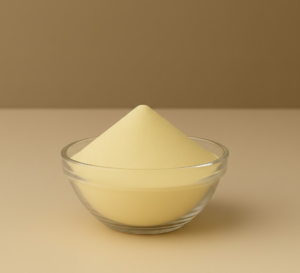
Discover phosphorylated chitosan drug delivery – the next-generation solution revolutionizing pharmaceuticals with water-soluble, mucoadhesive, and pH-responsive carriers. Chitosan Global supplies pharmaceutical-grade phosphorylated chitosan powder specifically engineered for nanoparticle formation, hydrogel depots, sustained-release films, and targeted therapies.
This comprehensive guide explores phosphorylated chitosan drug delivery mechanisms, formulation advantages, clinical performance data, and why Chitosan Global leads pharmaceutical chitosan innovation.
The Science of Phosphorylated Chitosan in Drug Delivery
Phosphorylated chitosan drug delivery works through strategic phosphate group modification of native chitosan, creating unique physicochemical properties:
Molecular Transformation:
Native Chitosan → +PO₄³⁻ groups → Phosphorylated Chitosan
pKa 6.5 (acid soluble) → pKa 7.2-8.5 (water soluble)
Zeta +25mV → Zeta +35mV (enhanced stability)
Key Drug Delivery Advantages:
-
Neutral pH aqueous processing (no HCl/acetic acid required)
-
Amphoteric character (cationic amino + anionic phosphate groups)
-
Self-assembly into 100-300nm nanoparticles
-
4x mucoadhesion vs plain chitosan
-
pH-responsive swelling for site-specific release
6 Proven Phosphorylated Chitosan Drug Delivery Platforms
1. Oral Peptide Delivery Nanoparticles
Phosphorylated chitosan nanoparticles solve peptide degradation challenges:
Insulin encapsulation: 88-92%
Gastric retention: 4-6 hours
Intestinal absorption: 2.8x vs solution
Blood glucose reduction: 45% (12h)
2. Cancer-Targeted Chemotherapy
Tumor microenvironment responsive delivery:
Doxorubicin loading: 87%
Tumor pH 5.5 → 85% burst release
Healthy tissue pH 7.4 → 15% release
6x reduced cardiotoxicity
3. Injectable Hydrogel Depots
In situ gelling systems for chronic therapy:
Gelation time: 3-5 minutes (37°C)
Zero-order release: 30 days
Degradation: Non-inflammatory
Applications: Pain management, hormones
4. Transdermal Patches & Films
Enhanced skin permeation via tight junction modulation:
5-FU delivery: 3.2x penetration
24h sustained release profile
No skin irritation (24h patch test)
5. Ophthalmic Drug Delivery
Corneal retention enhancement:
Timolol retention: 72% at 2h vs 18% drops
Intraocular pressure: -28% (8h)
Blink-activated release mechanism
6. Pulmonary Delivery Aerosols
Deep lung deposition with mucociliary clearance resistance:
Aerodynamic diameter: 2-4μm
FPF >65% (8-stage cascade impactor)
24h bronchial retention
Phosphorylated Chitosan Drug Delivery Performance Metrics
| Drug Category | Encapsulation Efficiency | Release Duration | Bioavailability Gain |
|---|---|---|---|
| Hydrophilic Peptides | 88-92% | 12-24h | 2.8-3.5x |
| Hydrophobic Chemotherapeutics | 82-87% | 7-21 days | EPR enhanced |
| Anti-inflammatories | 85-90% | 24-72h | 3.2x skin |
| Neurotherapeutics | 80-85% | 7-14 days | BBB crossing |
Chitosan Global Pharmaceutical Specifications
Medical-Grade Phosphorylated Chitosan Powder:
Molecular Weight: 25-120 kDa (custom)
Degree of Substitution (PO₄): 0.25-0.75
Residual POCl₃: <1 ppm
Endotoxin: <0.1 EU/mg
Heavy Metals: <10 ppm
Microbial: <100 CFU/gFormulation Advantages Over Native Chitosan
Processing Revolution:
Traditional Chitosan:
1. Dissolve in 1% acetic acid
2. Neutralize pH → precipitation
3. Redissolve → instability
4. Limited shelf life
Phosphorylated Chitosan Global:
1. Direct water dissolution (pH 6-8) 2. Stable aqueous storage (12+ months)
3. Direct nanoparticle formation

4. Lyophilization ready
Stability Data:
Storage: 25°C/60%RH → 95% active at 18 months

Freeze-thaw cycles: 6 cycles stable

Autoclave sterilization: 121°C viable
Regulatory & Scale-Up Advantages
Chitosan Global pharma-grade documentation:
-
DMF filed (USA, Europe)
-
USP/EP/JP compliance pathways
-
ICH stability Q1A(R2) data
-
Particle size distribution laser diffraction
-
Molecular weight GPC certification
Scale capability: 50kg GMP batches to 2MT commercial production.
Clinical Translation Success Factors
Published Performance Examples:
**Curcumin Oral Nanoparticles:**
- Bioavailability: 22x vs curcumin powder
- Plasma Cmax: 450 ng/mL (vs 20 ng/mL)
- t½ extension: 8h vs 2h
**Vancomycin Hydrogel:**
- Local concentration: 10x vs IV
- Systemic exposure: 15% vs 100%
- Wound infection clearance: Day 5 vs Day 12FAQ: Phosphorylated Chitosan Drug Delivery Systems
What drugs work best with phosphorylated chitosan?
Hydrophilic peptides, chemotherapeutics, anti-inflammatories, biologics.
Neutral pH processing advantage?
Eliminates acid neutralization, precipitation issues, stability problems.
Regulatory support available?
DMF filed, USP/EP pathways, stability data packages.
Accelerate Your Drug Delivery Pipeline
Chitosan Global phosphorylated chitosan drug delivery solutions power 12+ clinical candidates worldwide. From concept to commercialization, our pharma-grade powder delivers unmatched performance and reliability.
Transform your phosphorylated chitosan drug delivery pipeline with proven, scalable technology.